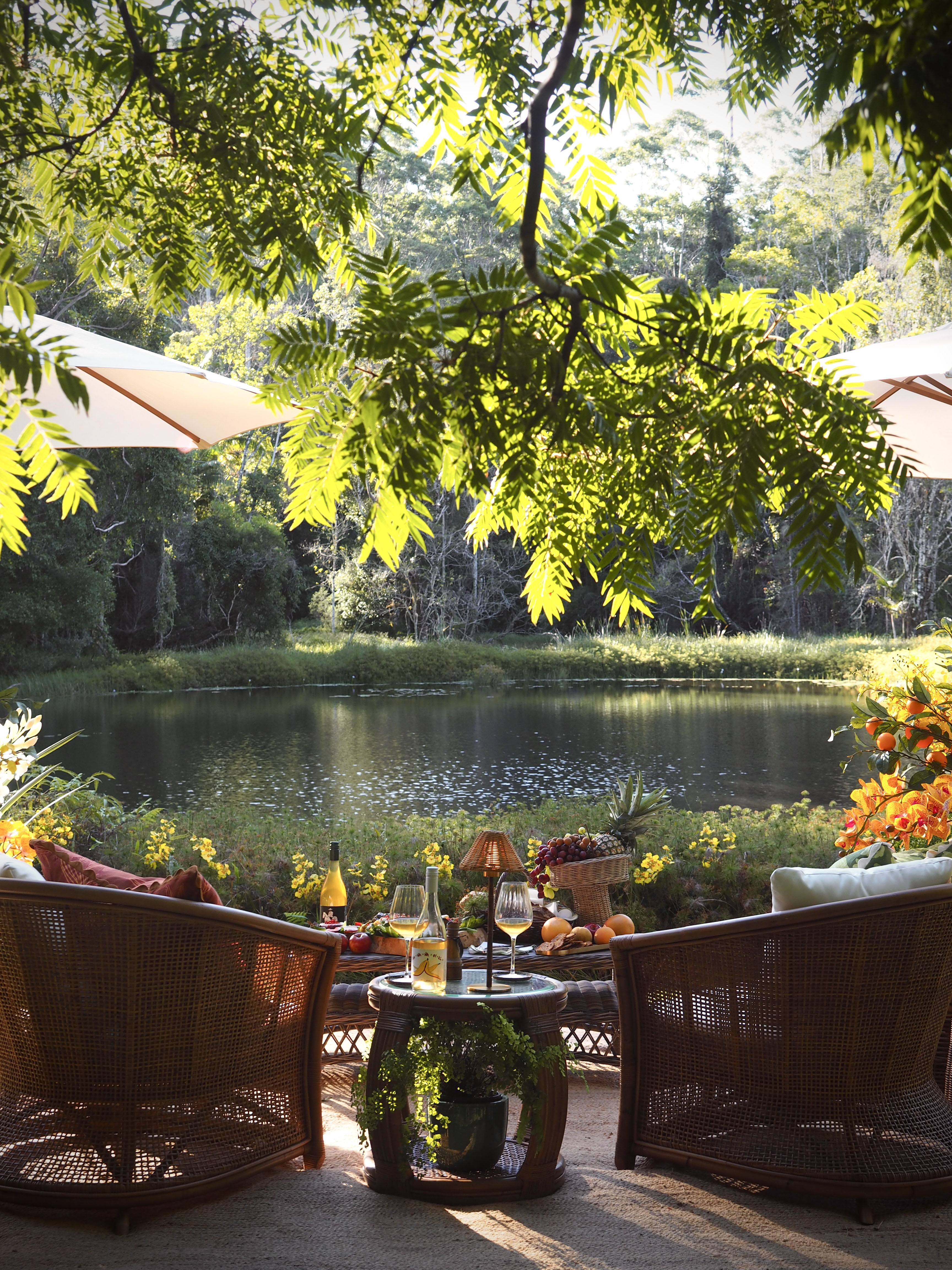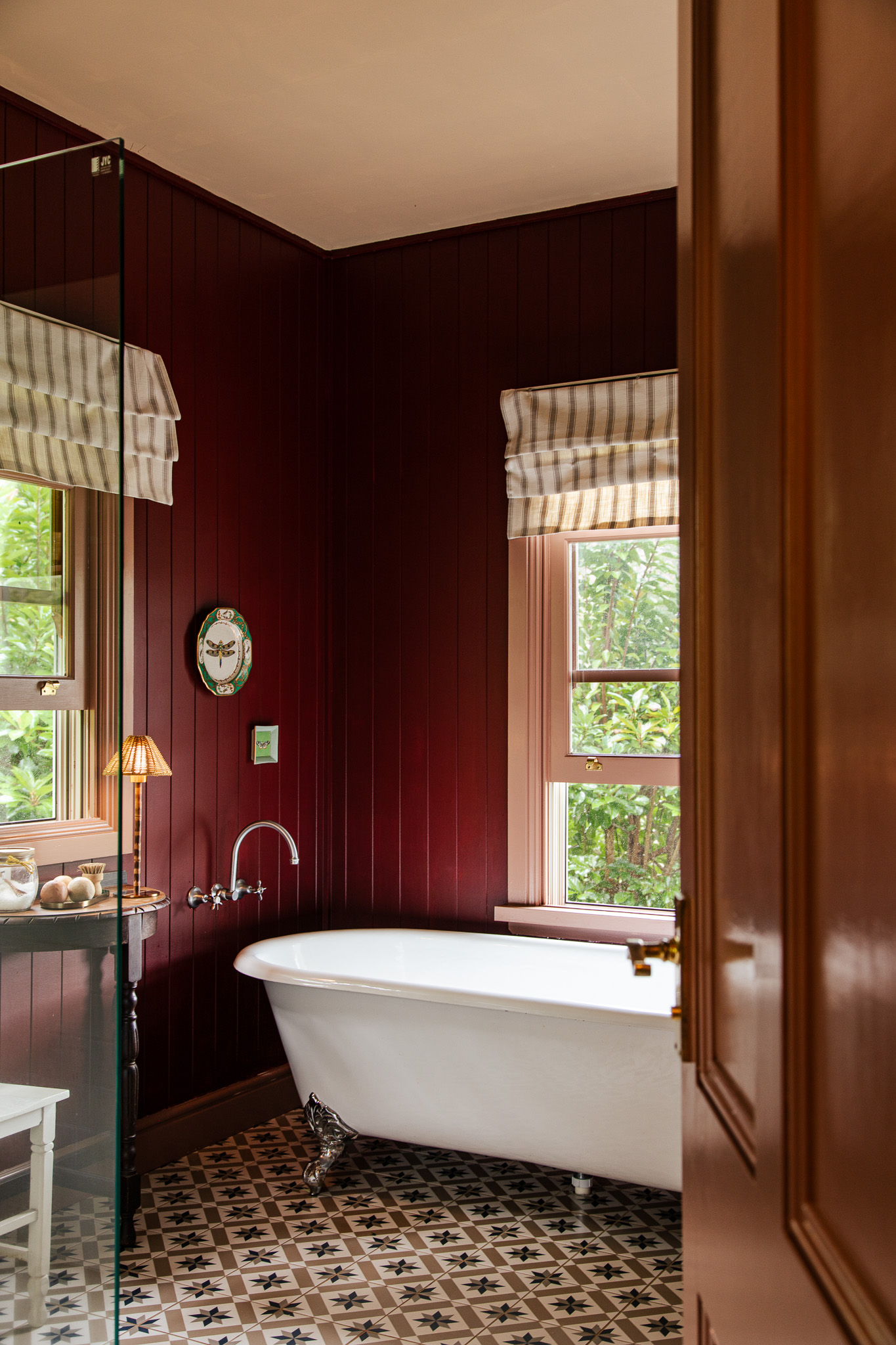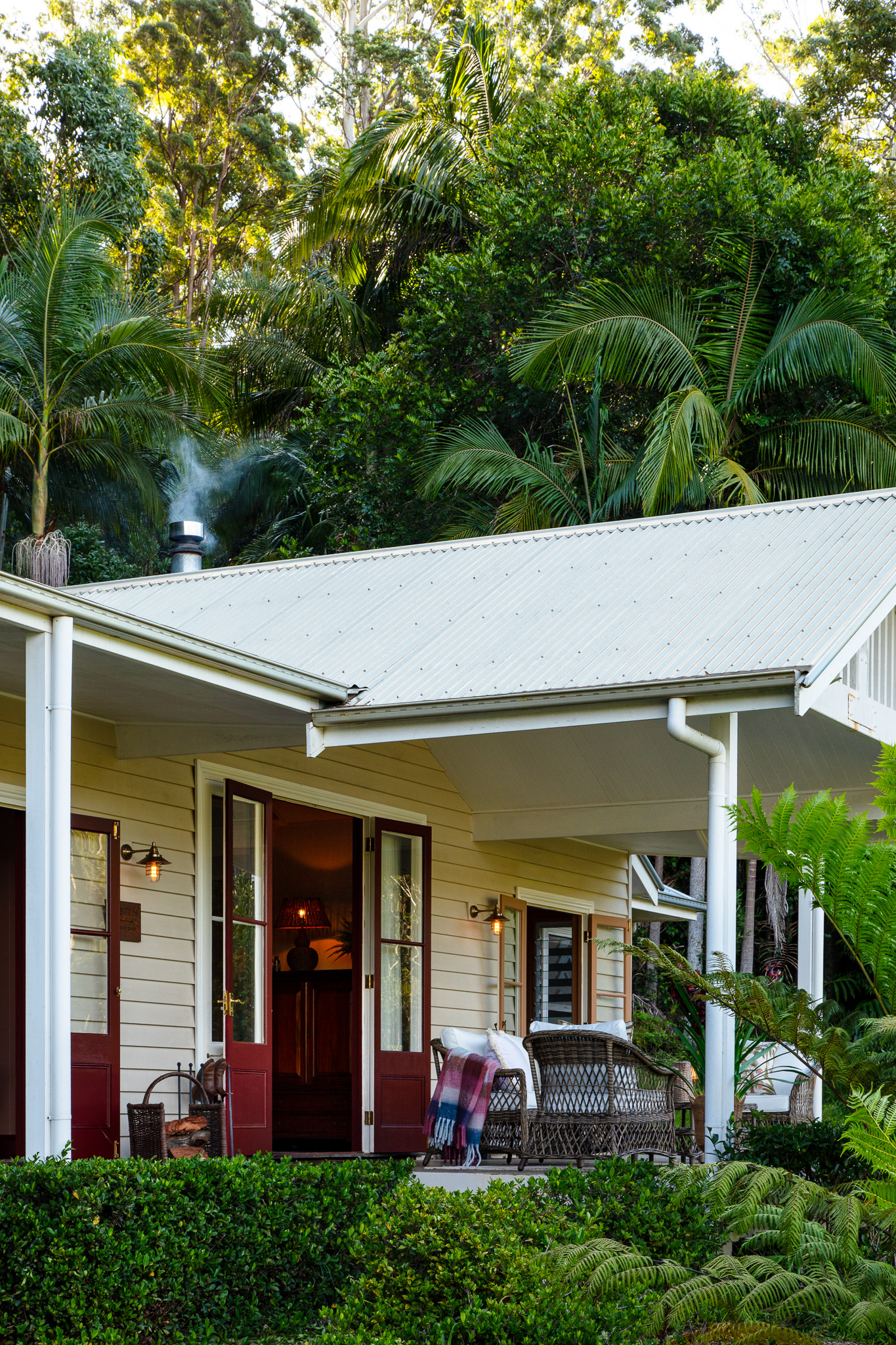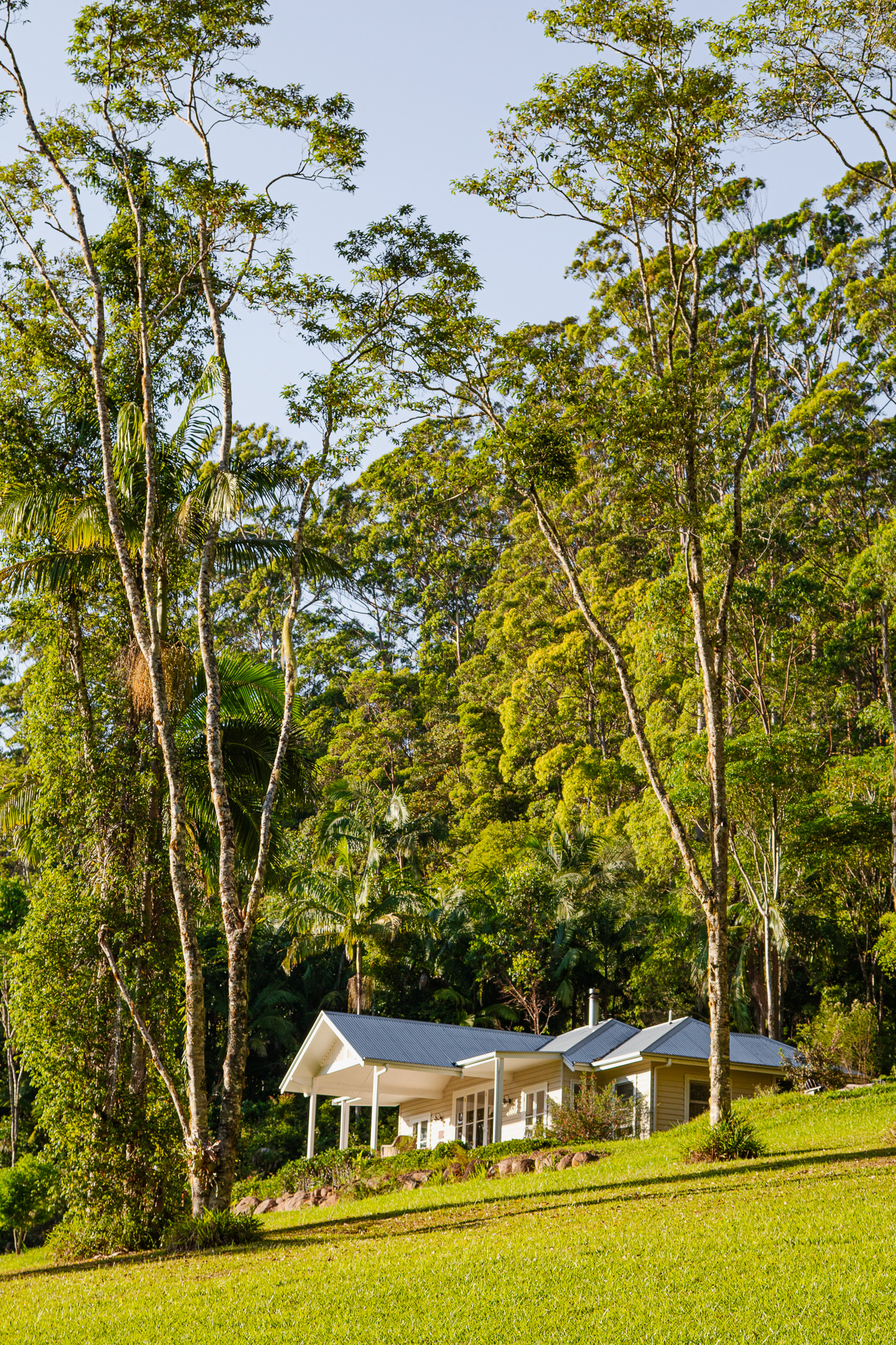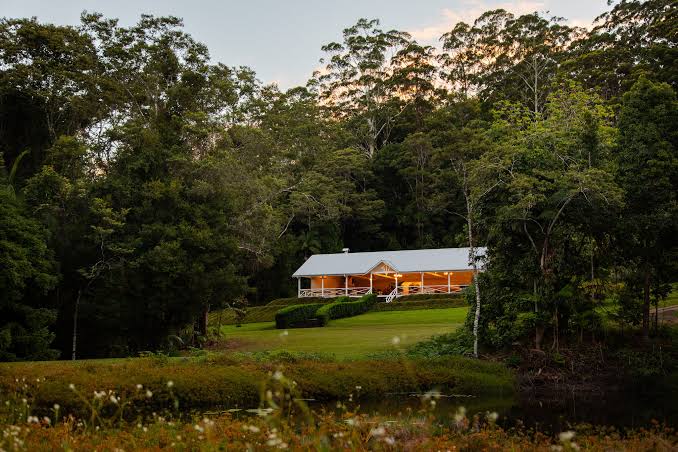


Step away from the everyday and into the heart of Nightcap National Park, part of the World Heritage–listed Gondwana Rainforests of Australia. Our Birding Retreats bring together expert guides, an inspiring guest speaker and a small group of fellow bird lovers for three unhurried days of birding, learning and good food. You'll stay at Nightcap Ridge, a private 70-acre property surrounded by national park.
Whether you're a seasoned birder or simply love the dawn chorus, this is birding the way it should be: slow, curious, and in the company of people who know these forests intimately.
Small by design. With a maximum of 10 guests, every retreat feels personal. There's time for questions, time to linger on a sighting, and room to learn at your own pace.
Two expert guides. Each retreat is led by two local guides from Vision Walks Eco Tours, a Byron Bay ecotourism operator with nearly two decades of experience and Advanced Ecotourism certification. Founder and environmental scientist Wendy Bithell guides every retreat with birding guide and wildlife photographer Locky Cooper.
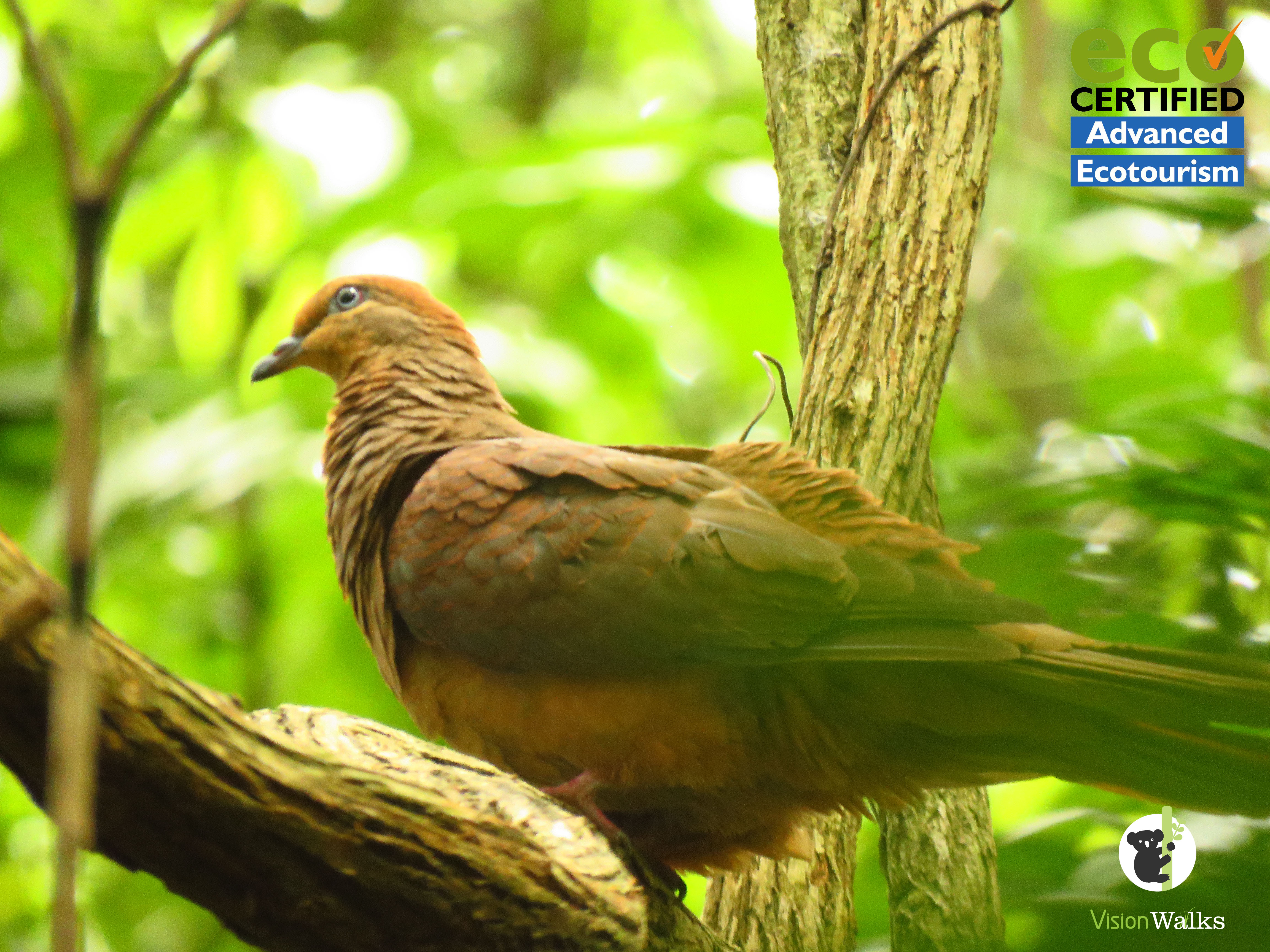
More than 90 species. From the elusive Albert's Lyrebird and Paradise Riflebird to fruit-doves, monarchs and night birds, the variety here is remarkable.
Three birding hotspots. Beyond Nightcap Ridge itself, you'll explore Rocky Creek Dam, Victoria Park and the Boggy Creek walking track. Each outing is timed for the hours when the birds are most active.
Learn from the best. The retreat opens with a welcome talk on the species we hope to find. You'll spend an afternoon with our guest speaker, and the final debrief is a chance to share your sightings and highlights.
Eat well, rest well. Meals are prepared by The Bloody Good Food Co, local chefs who champion the region's fresh produce. You'll stay in a comfortable cottage tucked into the rainforest, with plenty of free time to relax between outings.
Locky Cooper, Birding Guide
Growing up in the Northern Rivers, Locky developed a lifelong passion for nature, wildlife and photography. After completing a degree in Visual Arts, he worked as a photographer on Moreton Island, where photographing the island's marine and bird life inspired a career in wildlife photography.
Driven by a desire to better understand and protect Australia's unique ecosystems, Locky went on to complete a degree in Environmental Science. He has since worked on a range of threatened species conservation projects throughout the Northern Rivers. His background also includes hospitality, in hotels and resorts in Australia and overseas. Together with his work as a wildlife and sports photographer, these roles have shaped his gift for communication and his ability to connect with people from all walks of life.
Locky loves sharing his knowledge of the local environment and helping others discover the incredible wildlife of the Northern Rivers. His aim is for every guest to leave with memorable wildlife encounters and a deeper appreciation of the natural world.
Wendy Bithell, Founder and Guide
Wendy founded Vision Walks – Eco Tours and brings a background in environmental science and advanced learning technologies to every tour she guides. Her varied career includes teaching tourism, ecotourism and technology courses at local colleges, as well as working with the BBC's online education unit.
For 19 years, Wendy has shared her deep knowledge of the Byron Bay region through tours that blend humour, passion and historical context. Her love of teaching shines through in the field, where she helps guests not just see wildlife but understand the stories behind it.
Summer Retreat: Tim Low
Join celebrated naturalist and author Tim Low, whose acclaimed book Where Song Began transformed how the world understands Australian birds. This is a rare opportunity to spend time in the field and around the table with one of Australia's most engaging nature writers.
Autumn, Winter and Spring Retreats: Andrew Turbill
Known far and wide as "the bird guy", Andrew brings infectious enthusiasm and deep field knowledge to every outing. Expect stories, sharp eyes, and plenty of "did you hear that?" moments.
11:00 am: Arrive at Nightcap Ridge and meet your guides and fellow guests.
12:00 pm: Lunch.
1:00–4:00 pm: Check into your cottage and take time to settle in and explore the property. Your guides will host a welcome talk introducing the target species we hope to spot over the three days.
4:00–6:00 pm: Afternoon birding at Rocky Creek Dam, as the forest comes alive in the late-day light.
7:30 pm: Dinner at Nightcap Ridge.
7:00–9:00 am: Early-morning birding walk at Victoria Park.
10:00–11:00 am: Brunch at Victoria Park.
12:00–2:00 pm: Free time at Nightcap Ridge to rest, read or wander.
2:00–3:00 pm: Talk with our guest speaker.
4:00–6:00 pm: Free time, with the option of an informal walk around Nightcap Ridge with our guest speaker.
7:00 pm: Dinner at Nightcap Ridge.
7:00–9:00 am: Morning birding walk along the Boggy Creek walking track.
Late breakfast: Return to Nightcap Ridge for breakfast.
10:00–11:00 am: Retreat debrief. Compare sightings and share your highlights.
11:00 am: Check-out and farewells.
Times are a guide only and may shift with weather and bird activity.
Nightcap Ridge sits within some of the richest birding country in northern New South Wales. Rainforest, wet forest, creek lines and forest edge all meet here, so the variety is remarkable. Over three days we'll search for rainforest specialists, seasonal visitors and night birds, with more than 90 species possible across the retreat.
Year-round favourites
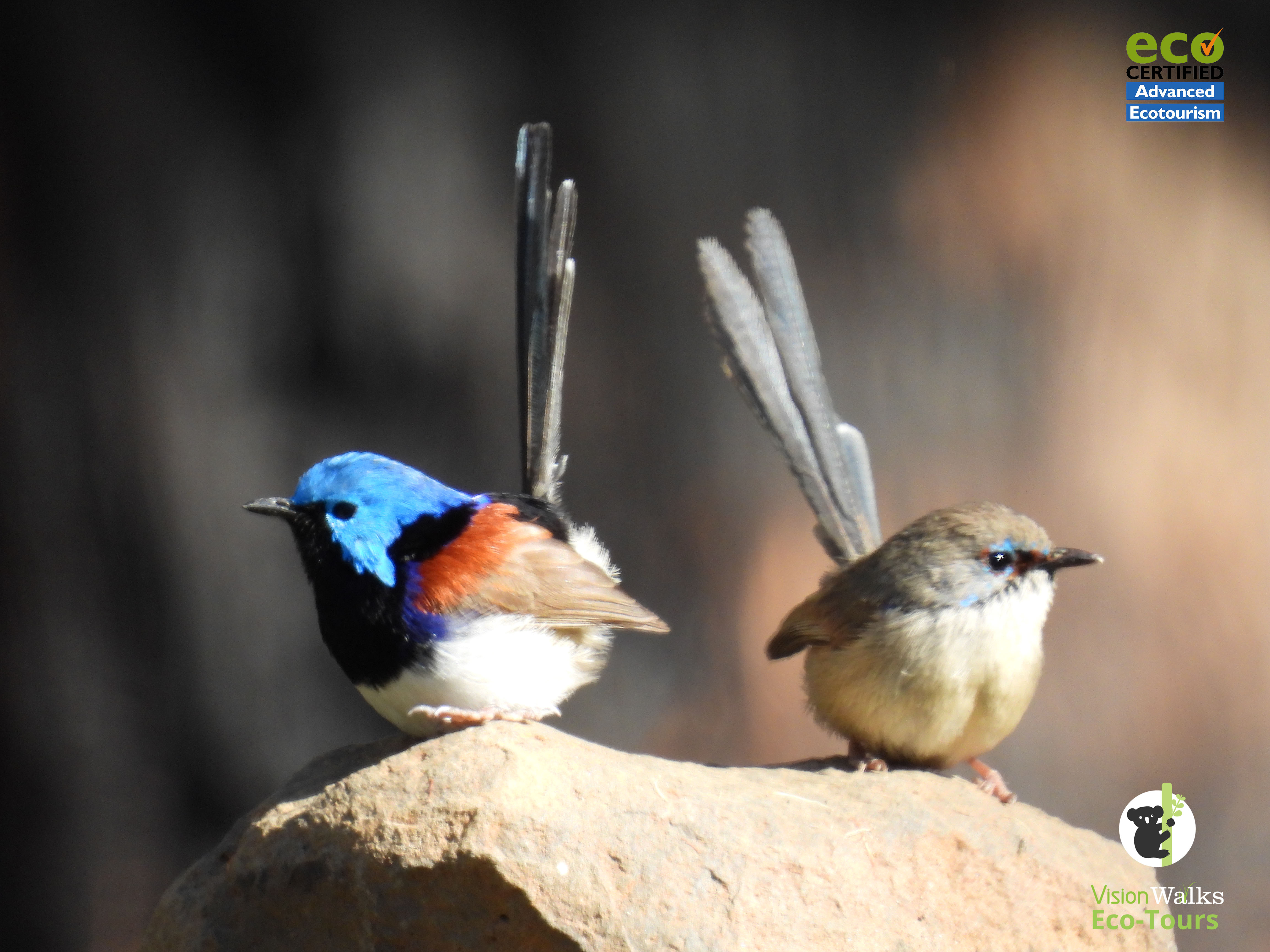
Some birds are with us whatever the season. Expect to meet the Green Catbird, Australian Logrunner, Eastern Whipbird, Pale-yellow and Eastern Yellow Robins, Satin Bowerbird, Variegated Fairywren, White-headed Pigeon and Lewin's Honeyeater.
Where we'll go
Nightcap Ridge. Our home base, set among rainforest and wet forest, is a birding destination in its own right. Bowerbirds, whipbirds, scrubwrens and robins are often right outside your door. After dark, listen for the Southern Boobook, Tawny Frogmouth and, if we're lucky, the Greater Sooty Owl.
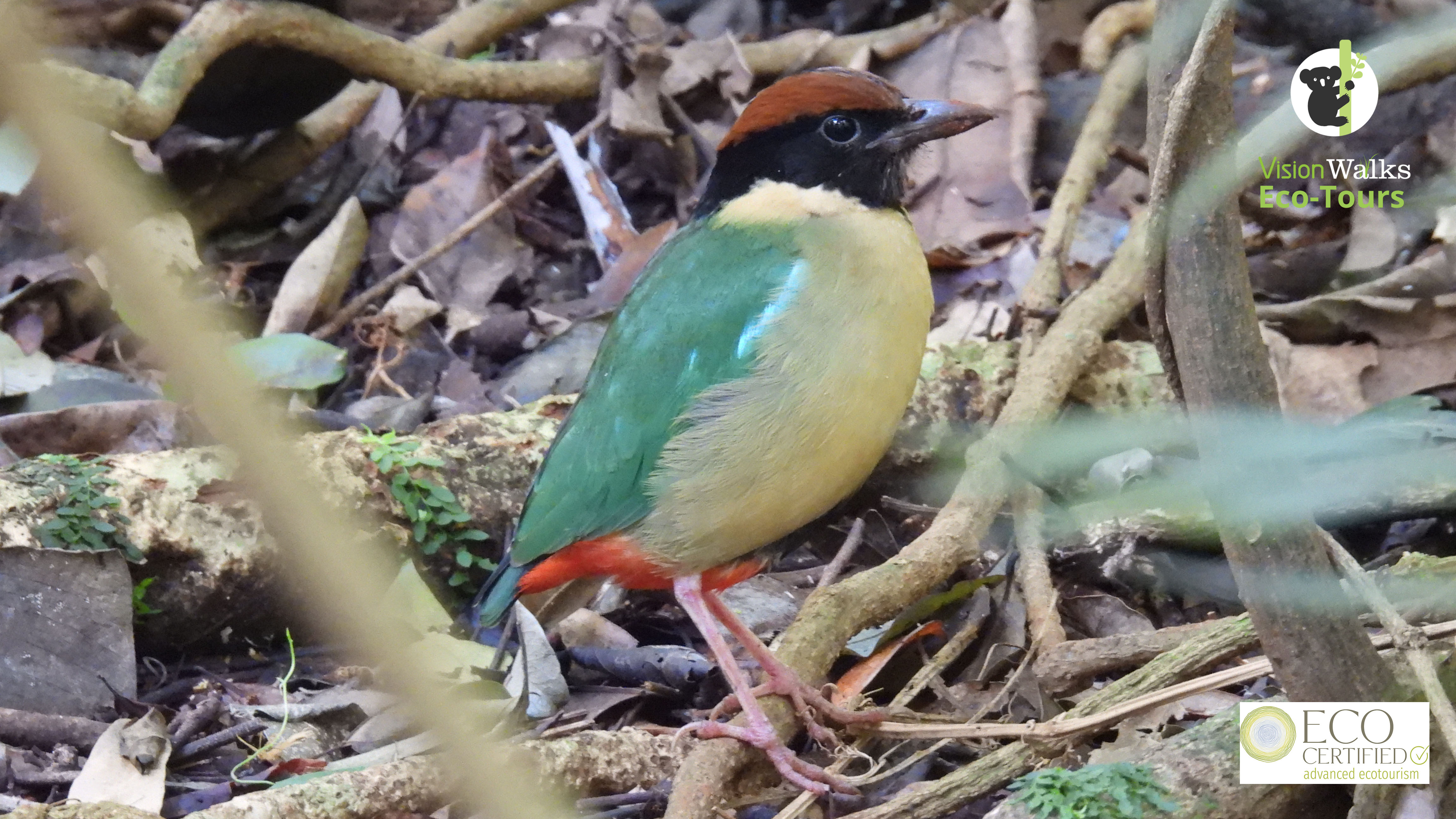
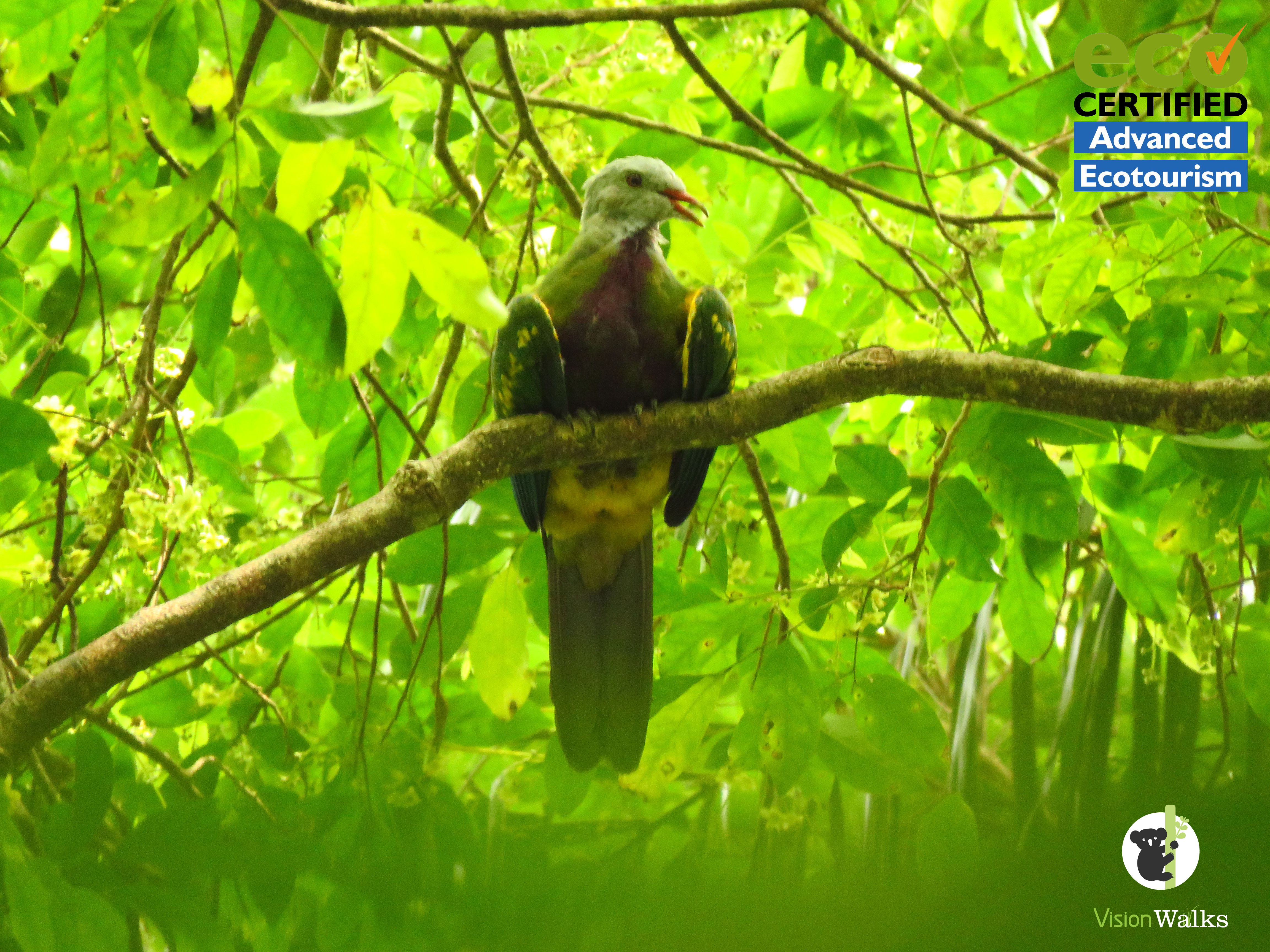
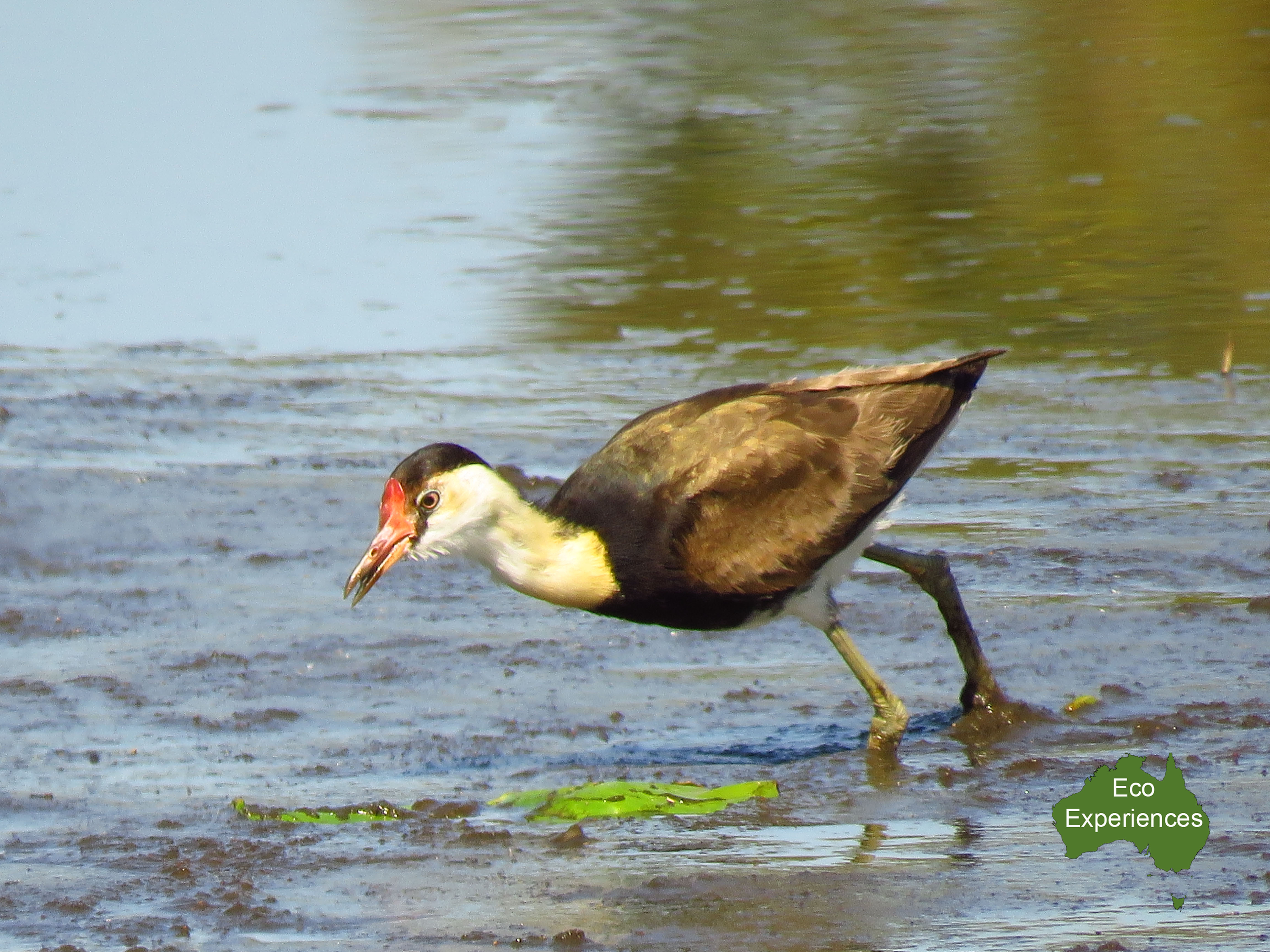
Rocky Creek Dam (Day 1, afternoon to dusk). We'll walk through mixed subtropical rainforest and along the creek. Our targets include the Paradise Riflebird, Noisy Pitta, Wompoo, Superb and Rose-crowned Fruit-Doves, Russet-tailed Thrush and Azure Kingfisher. The water's edge adds Comb-crested Jacana and Pale-vented Bush-hen.
Victoria Park (Day 2, morning). This precious remnant of the Big Scrub rainforest is home to lowland specialists. We'll look for the Noisy Pitta, fruit-doves, Green Catbird and scrubwrens, and in the warmer months the White-eared, Black-faced and Spectacled Monarchs and Rufous Fantail.
Boggy Creek, Whian Whian (Day 3, morning). Wet forest and creek-line birding, with one star target: the elusive Albert's Lyrebird. We'll also search for the Paradise Riflebird, Noisy Pitta, Regent Bowerbird and Wonga Pigeon.
What each season brings
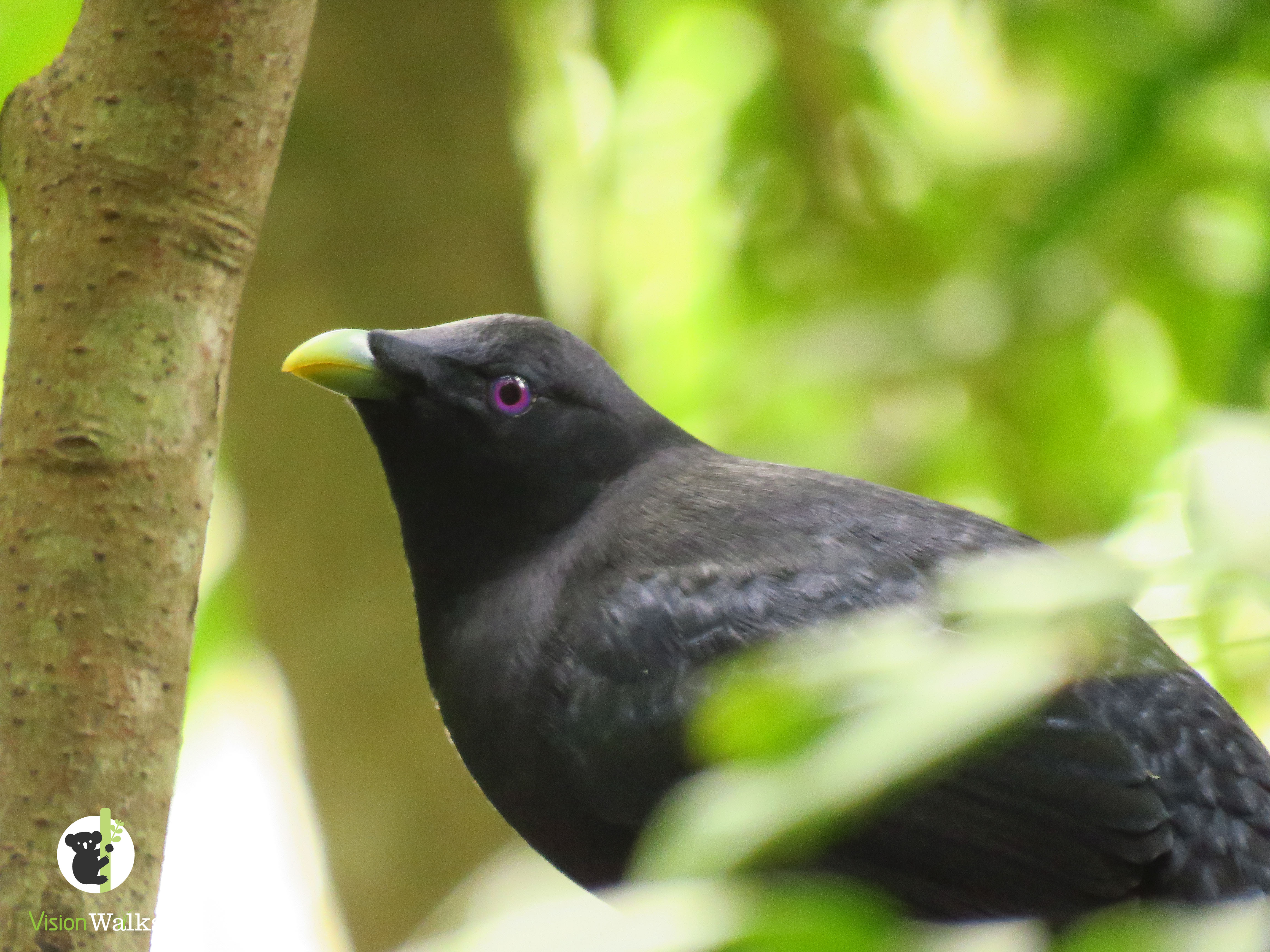
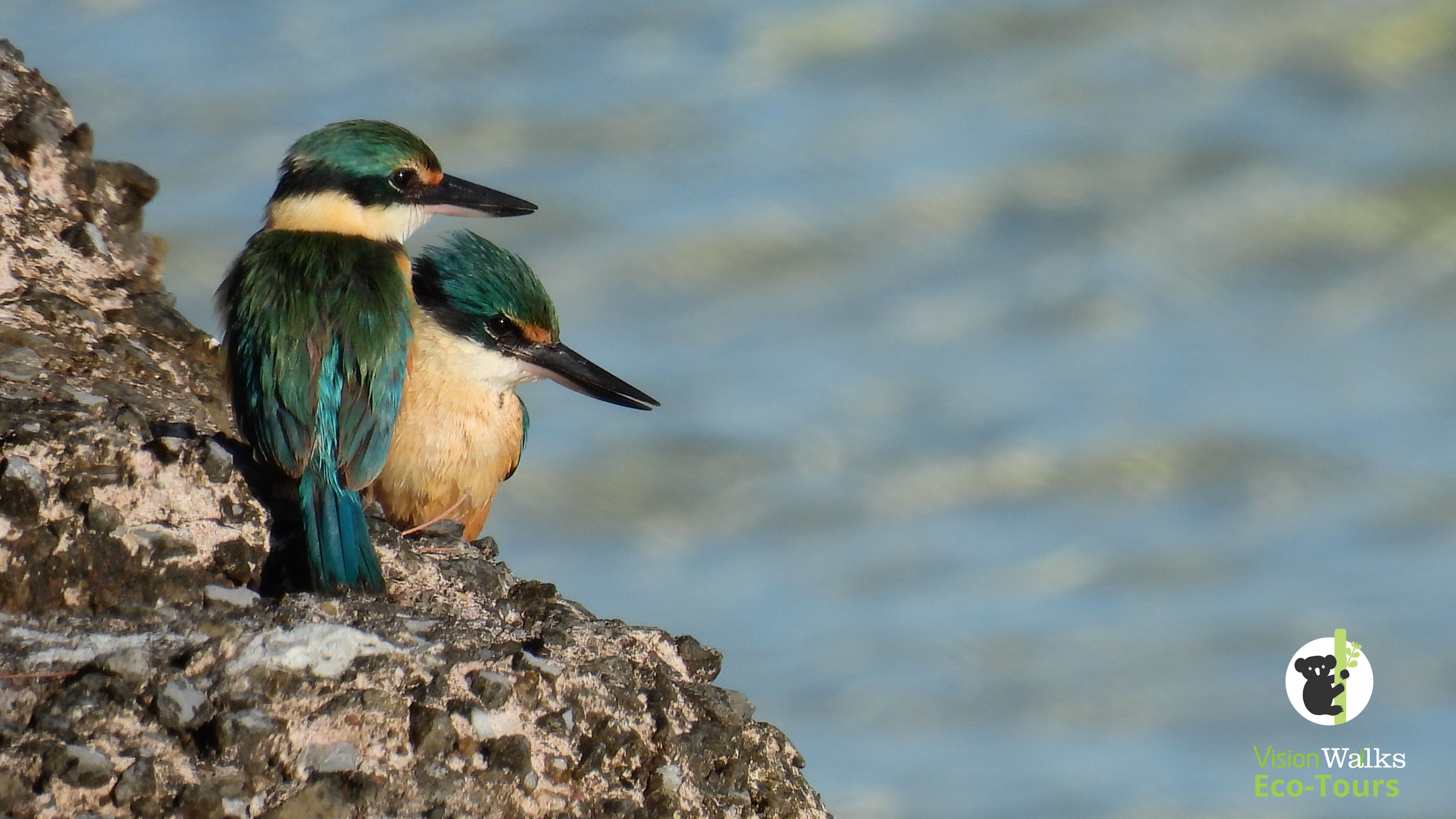
Summer (February). The forest is busy with migrants. It's a great time for the Noisy Pitta, fruit-doves and the three monarchs. Dollarbirds, Rainbow Bee-eaters and Forest and Sacred Kingfishers add colour, and the calls of the Channel-billed Cuckoo and Pacific Koel ring through the valleys.
Autumn (May). The best season for some of the region's most sought-after birds. The Albert's Lyrebird, Paradise Riflebird and Regent Bowerbird are all likely. Rose Robins, Golden Whistlers and Eastern Spinebills arrive as the weather cools.
Winter (August). Crisp mornings and peak lyrebird season, when the Albert's Lyrebird is at its most vocal. The Paradise Riflebird, Regent Bowerbird, Rose Robin and Scarlet Honeyeater are all likely, and owls are more active.
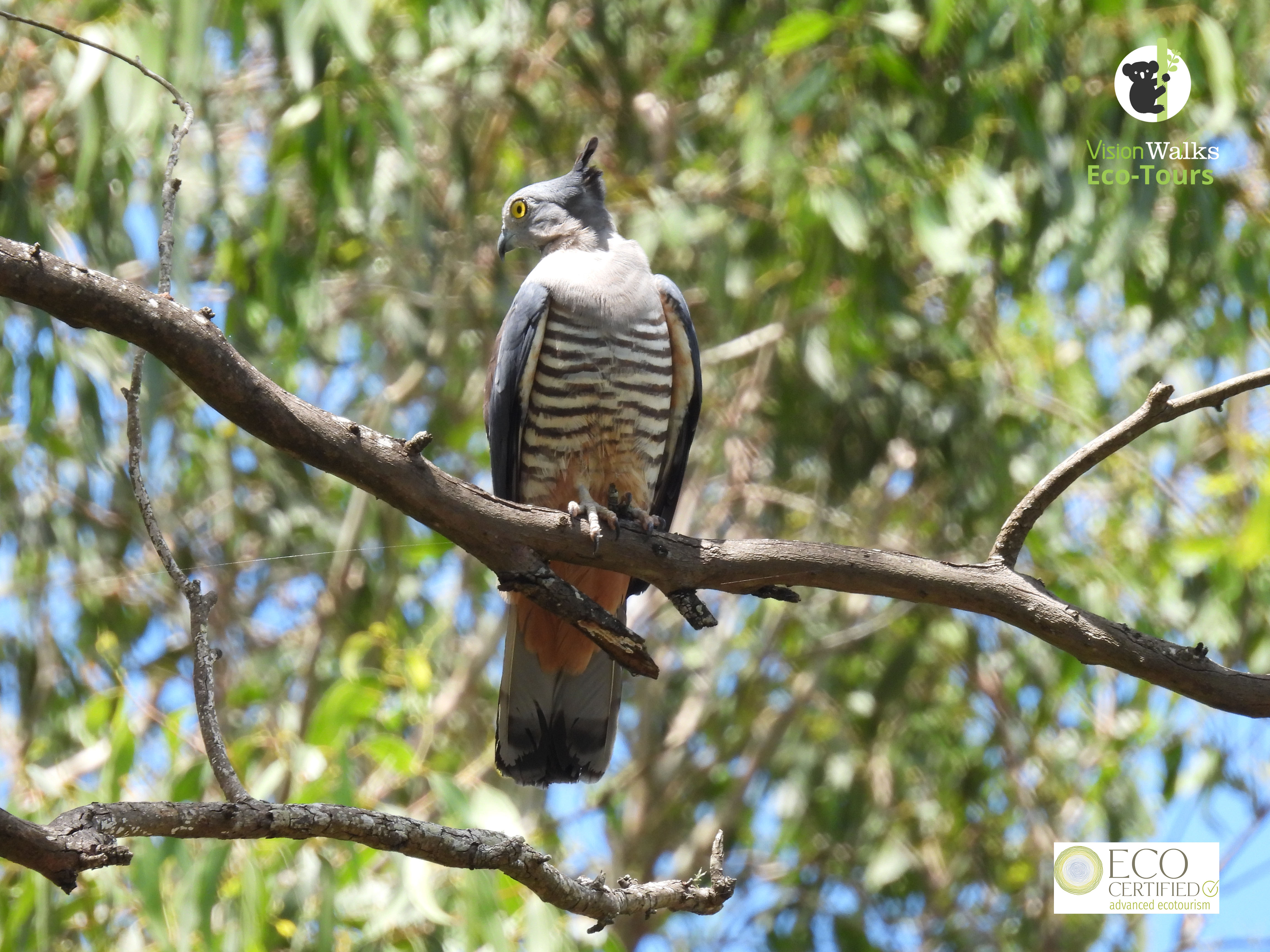
Spring (November). The migrants return. All three fruit-doves and the monarchs are likely, along with the Noisy Pitta, Regent Bowerbird, Pacific Baza, White-throated Nightjar and Spangled Drongo.
Seasonal highlights at a glance
Likely = good chance. Reasonable = reasonable chance. Possible = variable or lower chance. Unlikely = generally unlikely at that time of year.
Birds are wild, and sightings can't be guaranteed. These lists are realistic targets, not promises, and some species move around with the seasons. That's part of the magic.
Summer: 16–18 February, with guest speaker Tim Low
Autumn: 25–27 May, with guest speaker Andrew Turbill
Winter: 3–5 August, with guest speaker Andrew Turbill
Spring: 9–11 November, with guest speaker Andrew Turbill
Each season brings different birds, behaviours and moods to the forest. Many guests come back to experience the change.
You'll stay at Nightcap Ridge in one of three cottages, each nestled in the rainforest and surrounded by birdlife.
Rose Gum and Blue Fig Cottages
Each of these cottages has two bedrooms. The first has a queen bed. The second can be set up with two king single beds or a king bed, so it suits couples, friends sharing or solo travellers. The two bedrooms share a bathroom.
Loggers Cabin
A cosy studio with a queen bed, ideal for a couple or a solo guest wanting their own space. Bathroom facilities are just outside the door.
The Palm Room
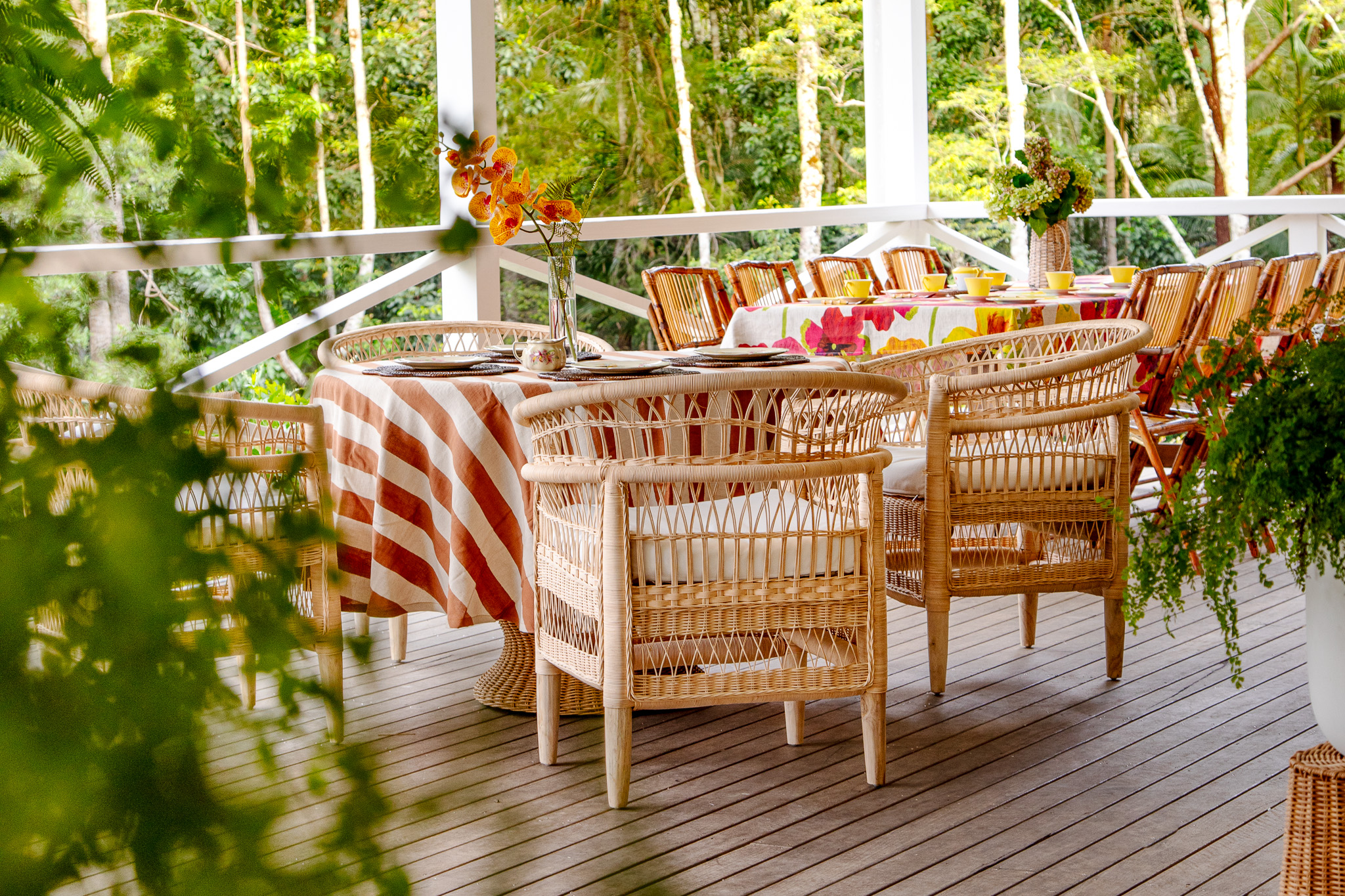
Our shared space for meals, talks and evening conversations, and the heart of the retreat.
Couples, friends and solo travellers are all welcome. Solo guests can choose twin share with another solo traveller or a room of their own.
Good birding deserves good food. All meals are prepared on site by The Bloody Good Food Co, a team of local chefs who champion the Northern Rivers' fresh, delicious produce. Expect generous, seasonal food made with ingredients from the farms and growers around us, shared around the table in the Palm Room after a day in the forest.
Brunch on Day 2 is served at Victoria Park, so you can refuel right where the morning's birding ends.
Please let us know about any dietary requirements when you book.
Twin share: $3350 per person
Single: $4900 per person
With just 10 places per retreat, spots fill quickly.